
Gamma Heptalactone CAS 105-21-5 is a versatile lactone flavor ingredient valued for its sweet, creamy, coconut-like, nutty, and caramel nuances. As an experienced China flavor and fragrance raw material supplier, Odowell has been working in the flavors and fragrances industry since 2012, supplying Gamma Heptalactone for food flavoring, fragrance, cosmetic, and related formulation applications.
Gamma Heptalactone is an important member of the lactone family of aroma chemicals. Identified by CAS No. 105-21-5, it is also known as 4-Heptanolide, γ-Heptalactone, and 5-Propyldihydro-2(3H)-furanone. Its characteristic sensory profile combines sweet, creamy, coconut, caramel, nutty, and slightly herbaceous impressions, making it useful when formulators need to build depth and warmth into flavor or fragrance compositions.
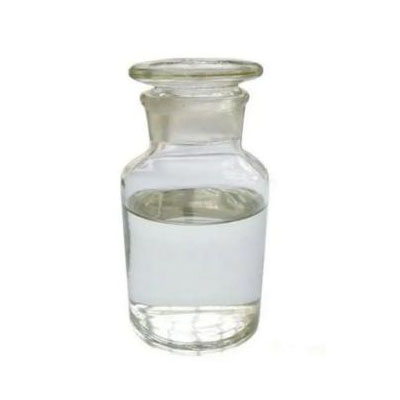
Gamma Heptalactone CAS 105-21-5 is a cyclic ester, or lactone, used primarily for its distinctive sensory properties. Its molecular formula is C7H12O2, with a molecular weight of 128.17 g/mol. The compound is listed under several chemical names, including 4-Heptanolide and 5-Propyldihydro-2(3H)-furanone.
Lactones are widely appreciated by flavorists and perfumers because their structures can contribute creamy, fruity, buttery, milky, coconut-like, or peach-like characteristics depending on the specific lactone and its concentration within a formulation.
According to the product information provided by Odowell's Gamma Heptalactone CAS 105-21-5 product page, the material is supplied as a clear, colorless liquid and is positioned for flavor, fragrance, and cosmetic applications.
Understanding the basic physical and chemical profile of Gamma Heptalactone is important for formulation development, quality control, transportation, and storage. The available product specifications provide several useful reference values.
| Property | Typical Information |
|---|---|
| Product Name | 4-Heptanolide / Gamma Heptalactone |
| CAS Number | 105-21-5 |
| Molecular Formula | C7H12O2 |
| Molecular Weight | 128.17 |
| Appearance | Clear, colorless liquid |
| Density | Approximately 0.999 g/mL at 25°C |
| Refractive Index | n20/D 1.442 |
| JECFA Number | 225 |
| FEMA Number | 2539 |
| Water Solubility | Approximately 23 g/L at 20°C |
These values should be treated as product reference information rather than substitutes for the specification or certificate of analysis supplied with a particular batch. Commercial buyers should always confirm current specifications directly with the manufacturer before placing an order.
The sensory profile is the main reason Gamma Heptalactone is attractive to flavorists. It is generally associated with a sweet, creamy, coconut-like character supported by nutty, caramel, malty, and herbaceous nuances.
At appropriate formulation levels, it can contribute body and roundness rather than simply producing a single-dimensional coconut note. Product information also describes creamy, lactonic, coconut, coumarin, milky, and tobacco nuances at a specified sensory concentration.
Gamma Heptalactone has also been reported as a naturally occurring volatile compound in products and foods including green tea, asparagus, beer, strawberry, peach, and beef. This natural occurrence helps explain why lactones can play an important role in the complex aroma character of foods.
Gamma Heptalactone is particularly useful when a formulation needs creamy, coconut, sweet, caramel, or lactonic character. Its application potential extends across several industries.
In flavor creation, Gamma Heptalactone can be incorporated into formulations designed to reproduce or enhance creamy, fruity, coconut, caramel, nutty, and dairy-like sensory characteristics. It may be used as one component of a broader flavor system rather than as a standalone flavor.
Its creamy and lactonic characteristics can be useful when developing flavor systems for dairy-inspired beverages, desserts, creamy formulations, and other products where smoothness and richness are important sensory objectives.
The combination of sweetness, caramel, coconut, and nutty notes can complement confectionery and dessert profiles. Flavorists can combine it with other aroma chemicals to create more complete and balanced compositions.
Gamma Heptalactone is also categorized among lactone flavors and cosmetic-related aroma materials. Its creamy and coconut-like odor can contribute to fragrance accords where a soft, warm, sweet, or tropical character is required.
Actual permitted uses, dosage levels, labeling requirements, and regulatory status depend on the target application and destination market. Formulators should verify applicable local regulations before commercial use.
For procurement teams, specification transparency is just as important as sensory performance. A reliable supplier should be able to provide clear product identification and batch-related quality documentation.
| Specification Item | Reference Value / Description |
|---|---|
| CAS | 105-21-5 |
| Purity Reference | Gamma Heptalactone ≥99.0% reference specification |
| Physical Form | Oil / liquid |
| Color | Colorless |
| Odor | Sweet, coconut, nutty, caramel, tonka, hay nuances |
| HS Code | 29322090 |
| Production Capacity | Odowell states a capacity of approximately 200 tons annually |
| Quality System | Odowell states that its quality management meets ISO 9001 requirements |
One of the advantages of Gamma Heptalactone is its ability to participate in a broader sensory architecture. Rather than relying on a single aroma chemical to define a complete flavor, formulators can use lactones alongside esters, aldehydes, ketones, alcohols, natural extracts, and other aroma materials.
For example, a flavorist may consider Gamma Heptalactone when the formulation requires:
The final sensory result depends heavily on concentration, the surrounding ingredients, processing conditions, and the intended product matrix. Therefore, laboratory evaluation and sensory testing remain essential before establishing a commercial formulation.
Selecting a Gamma Heptalactone supplier should involve more than comparing unit prices. For industrial buyers, consistency, documentation, production capability, communication, and supply continuity can directly affect formulation stability and manufacturing efficiency.
Odowell states that it has specialized in flavors and fragrances since 2012 and supplies Gamma Heptalactone to European and American markets. The company also states that its annual production capacity for this material is approximately 200 tons, supporting buyers looking for a China-based source with established manufacturing capability.
Chemical handling procedures should always follow the latest supplier documentation, safety data sheet, applicable workplace requirements, and destination-market regulations. The product information available from Odowell identifies irritation-related hazard and risk information, making appropriate handling practices important.
General good practices include:
Buyers should not rely solely on general online product descriptions for regulatory or safety decisions. The current SDS, technical specification, certificate of analysis, and applicable regulatory documentation should be requested from the supplier for the intended market and application.
Gamma Heptalactone CAS 105-21-5 is a lactone aroma chemical also known as 4-Heptanolide and 5-Propyldihydro-2(3H)-furanone. It is characterized by sweet, creamy, coconut-like, nutty, and caramel-related sensory notes.
Its molecular formula is C7H12O2, and its molecular weight is approximately 128.17.
Its odor is commonly described as sweet, coconut-like, nutty, caramel, tonka, and hay-like, with creamy and lactonic nuances depending on concentration and formulation context.
It can be used in flavor and fragrance formulations, including food flavoring, cosmetic and fragrance applications, and compositions requiring creamy, coconut, sweet, caramel, or lactonic characteristics.
Gamma Heptalactone has been reported in various natural sources, including green tea, asparagus, beer, strawberry, peach, and beef. Whether a commercial product is natural or synthetic should be confirmed with the supplier because production method and regulatory definitions can differ.
Buyers should consider requesting a current specification sheet, certificate of analysis, SDS, sample, packaging information, production capacity, lead time, and documentation relevant to the intended application and destination market.
Odowell's product information states that samples are available for testing. Buyers should confirm current sample availability, quantity, shipping arrangements, and applicable terms directly with the supplier.
Gamma Heptalactone CAS 105-21-5 combines a distinctive sweet, creamy, coconut-like, nutty, and caramel sensory profile with useful properties for professional flavor and fragrance development. Its role as a lactone aroma ingredient makes it particularly valuable when formulators need to add richness, smoothness, warmth, and depth to a composition. For commercial sourcing, product identity, purity, quality consistency, documentation, production capability, and regulatory suitability should all be evaluated alongside price. If you are looking for a reliable China supplier for Gamma Heptalactone CAS 105-21-5, contact us at Odowell to discuss product specifications, samples, bulk supply requirements, and your formulation needs.


